Art e-Facts 34

Downpresserer by Graham Fagen was produced following a research trip to Jamaica in 2006.

The work was commissioned as part of a year-long programme of events run by Glasgow City Council to mark the bicentenary anniversary of the Abolition of the Slave Trade Act, and part of the exhibition tells the story of the attempts of Robert Burns, who was appalled by the slave trade, to become a bookkeeper on a plantation in Jamaica.

Downpresserer exemplifies Fagen’s ongoing interest in combining elements of Scottish national heritage (such as the writings of Robert Burns) with that of the West Indies (Jamaican reggae). The title of the show, comes from the song Downpresser Man by the celebrated Jamaican musician Peter Tosh (1944-87). A photographic portrait of Tosh’s mother, Mama Tosh, is included in the exhibition alongside a video installation of an impromptu performance of Robert Burns’s poem Slave’s Lament. Fagen made both these works on a research trip to Jamaica in 2006.

Downpresser can be seen at Glasgows Gallery of Modern Art until May 28th.
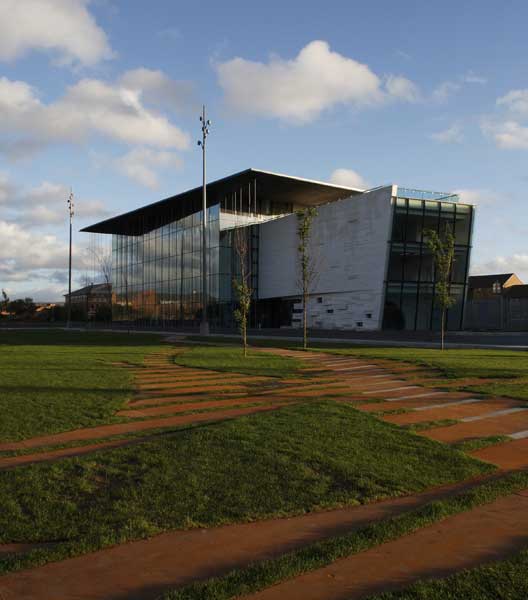
MIMA: Middlesbough Insitute of Modern Art

mima_eaa060207_marcusginns.jpg

The Middlesbrough Institute of Modern Art (MIMA) opened its doors to the public on the 27th of January 2007 with its inaugural exhibition Draw. The exhibition features a number of conversations around the legacy of drawing and features seven modern masters recognised for their contribution to 20th century art, with seven living artists.

The resulting dialogues created around the practice of drawing encourage us to engage with the work of one artist through the ideas of another and to expand our understanding of drawing.

The exhibition demonstrates MIMA’s commitment to modern as well as contemporary art with a collection and exhibition policy that focuses on art from 1900 to the present.

Draw will run at MIMA until April 22nd

www.visitmima.com

MIMA was designed by: Erick van Egeraat Associated Architects

Art e-Facts 32


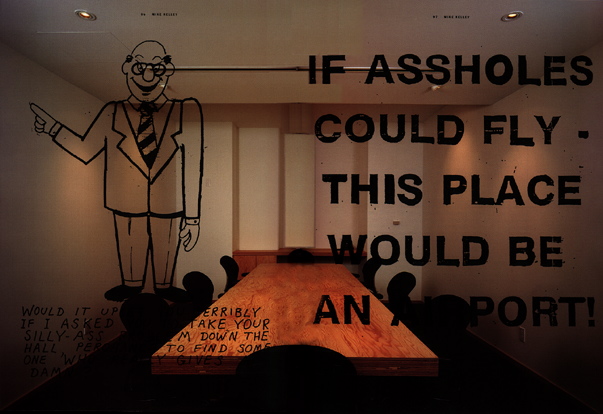
Mike Kelley was a founding member of the band ‘Destroy all Monsters’ and was replaced by then ex Stooges guitarist Ron Ashton. He left the Detroit music scene in 1978 and moved to LA to pursue his interest in art. He is now considered to be one of the most influential artists to come out of the US art scene in the 1980s. However, he has continued to parallel his art career with his interest in sound and has collaborated musically with (amongst others) the artists Paul McCarthy and Tony Oursler.

http://www.mikekelley.com/

Art e-Facts 31


Through the media of photography Idris Khan creates dramatic and emotive images resembling charcoal drawing and oil painting more than photography. Using transparent layers of photographs he builds up images that have the richness, intensity and luminosity of any oil painting.

Khan explores the tensions of authorship by photographing famous images and texts and reworking them. To this end he has made his own visual interpretations of the Koran and works by artists such as William Turner, and Bernd and Hilla Becher, famous for their vast photographic collections of buildings and industrial sites.

“it’s obviously not about re-photographing the photographs to make exact copies, but to intervene and bring a spectrum of feelings – warmth, humour, anxiety – to what might otherwise be considered cool aloof image. You can see the illusion of my hand in the layering. It looks like a drawing. It’s not systematic or uniform.”
Victoria Miro Gallery

Idris Khan was born in 1978 and graduated from RCA with his Masters in Fine Art in 2003.

Courtesy: C. Woods

Art e-Facts 30


Mona Hatoum started her career making performance art in the 1980s that focused with great intensity on the body. Since the beginning of the 1990s, however, her work moved increasingly towards large-scale installations that aimed to engage the viewer in conflicting emotions of desire and revulsion, fear and fascination. In her singular sculptures, Hatoum has transformed familiar, every-day, domestic objects such as chairs, cots and kitchen utensils into things foreign, threatening and dangerous.

Hatoum was born into a Palestinian family in Beirut, Lebanon in 1952 and now lives and works in London and Berlin.